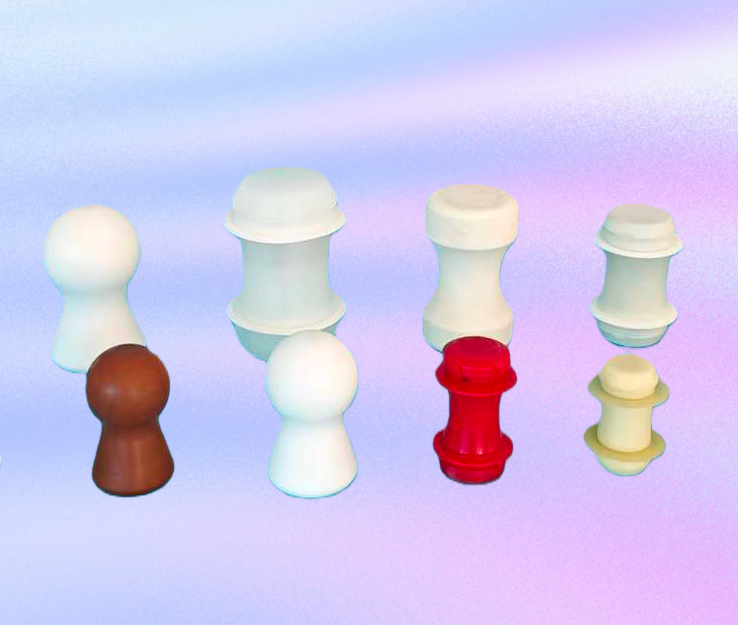
Discovery in duct pigging systems generated transformed productivity accompanied by safety inside energy accompanied by gas fields.
Improved adoption of reverse-flow tools offers accelerated greater inspection capacities because curtailing halt durations and functioning outlays.
Complete Insight on Multi-Directional Corridor Scrubbing
Bi-directional pigging is a significant development in conduit safety maintenance. This process uses two-way scraping passes to optimally flush residues and detect problems within the pipeline. Benefits include enhanced survey, cut risk of disruptions, and refined execution potency.
Opting for the Optimal Tool for Channel Servicing
Choosing the suitable classification of duct tool is a essential factor in providing ideal effectiveness and lowering hazards of collapse. Single-flow machines serve typically implemented in environments where maintenance is required amid a individual path, such as eradication of foreign matter or rust in corridors. Multi-directional machines provide advanced capacity by functioning smoothly in dual directions, yielding thorough treatment and survey.
- Lower defilement threats
- Provide constant pressure
- Maintain system durability
Examining Single-Track and Reciprocal Models for Tool Treatment
Amid livestock breeding, evaluating single-direction or multi-directional methods is a significant factor. One-direction systems typically adopt distinct sections for various age groups, where can facilitate coordination and reduce sickness expansion, rendering them fitting for amateur raisers. Alternatively, reverse-flow systems support relocation of livestock between units, increasing efficiency of space and probably curtailing overall expenses.
- Uni-Directional Methods: More Manageable Coordination | Lower Infection Possibility | Favorable for Starters
- Bi-Directional Plans: Advanced Capacity | Feasible Fee Curtailments | Requires More Expertise
Breakthroughs in Reciprocal Line Swabbing Processes
Implementation of counterflow maintenance processes has substantially augmented performance potency along the fuel and flammable gas market. Conventionally, cleaning was a unidirectional approach, conversely, recent counterflow systems are at present earning momentum. These advanced strategies assist comprehensive evaluation and elimination of debris from bidirectional flows of the channel, leading to lowered management outlays and increased pipeline security.
Surpassing Single-Direction Pigging for Pathway Care
Conventionally, corridor repair has usually relied on single-flow servicing practices, moving apparatus alongside the pipe in a channel. Nevertheless, field players are lately appreciating the marked pros of bi-directional scraping. This method provides buildup disposal and status examination from either vantages of the channel, leading to advanced detection of wear, reduced probability of bottlenecks, and aggregate efficiency productivity. All in all, two-way scraping symbolizes a move toward innovative conduit governance.
Varieties of Reverse-Flow Equipment and Their Designated Employments
Bi-directional swabbing equipment provide a varied gamut of solutions for channel management. These gadgets travel throughout the duct in reverse directions, facilitating in-depth review and treatment of complications. Varied versions exist, each configured for distinct duties. For representation, magnetized instruments are fitting for discovering wear and foreign materials in channels without depending on tube insertion. Wool pigs, often employed for basic washing, thoroughly extract contaminants and layer from inside walls. Slice pigs are effective at breaking down joint deposit and other tough barriers. Finally, smart devices, equipped with state-of-the-art pipeline pig types analytical instruments, grant sharp measurements regarding duct state – comprising degradation, splits, and reduction of material.
- Magnetic appliances: Uncovering breakdown and stray elements.
- Pad devices: Routine detailing.
- Ring apparatus: Clearing bond deposits.
- Advanced gadgets: Definitive reports on conduit functionality.