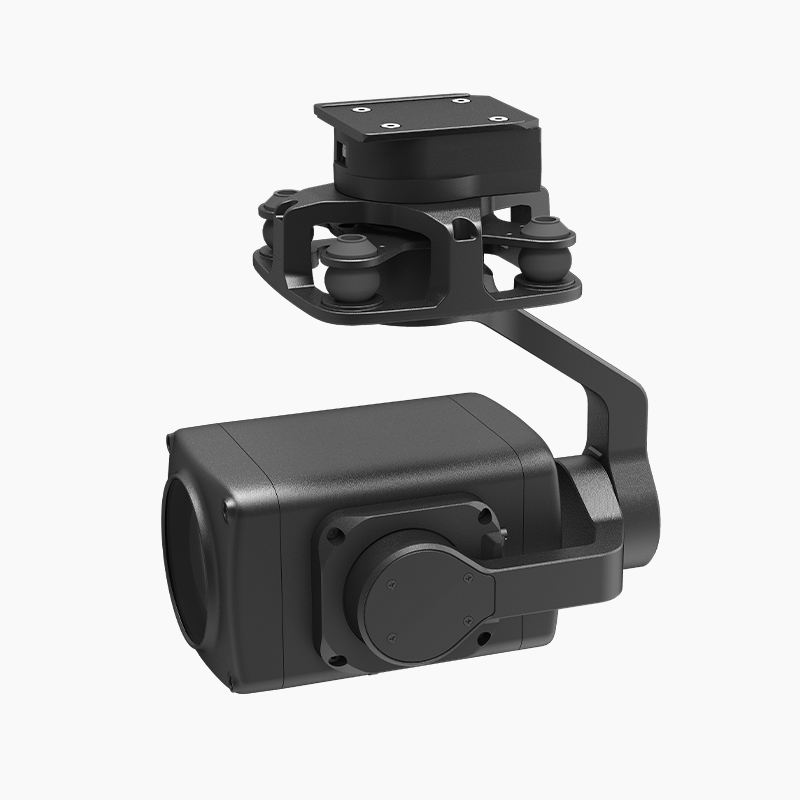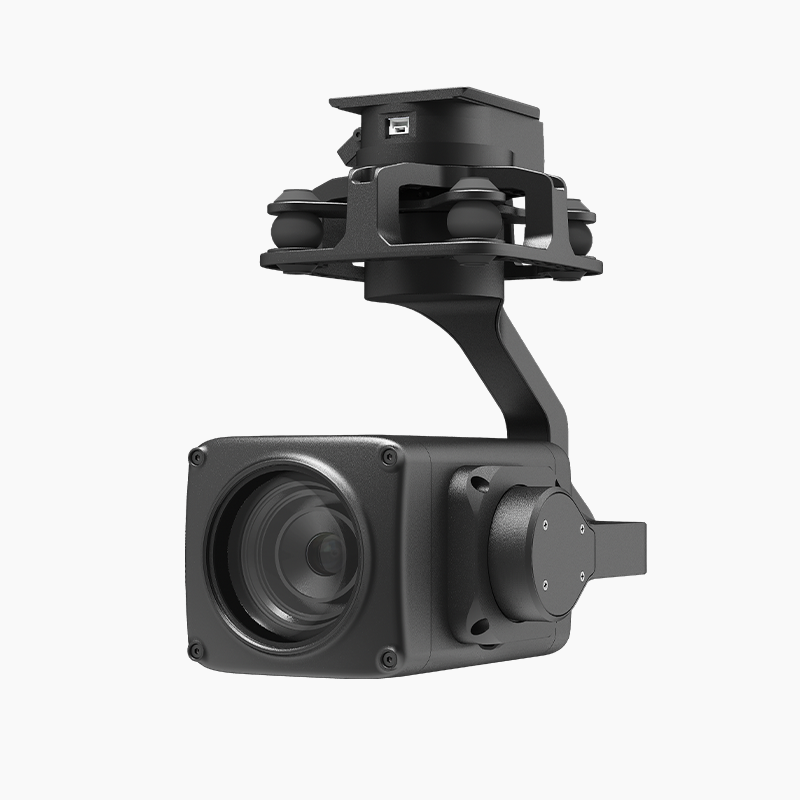
Welcome regarding our all-encompassing discussion on steadiness applications incorporating heat detection in aerial devices.
Steadying Functions regarding Remote Drone Camera Innovations
Robotic units are witnessing remarkable progress in camera features. Innovative gimbal stabilization now allow incredibly fluid footage, although turbulent scenarios. Furthermore, the inclusion of thermal sensors offers unmatched opportunities for scrutiny in fields like restoration, providing valuable information beyond what traditional light cameras can collect. These amalgamated technologies are greatly modifying the sector of aerial shooting.
Zooming into the Night: UAV Systems with Infrared & Suspension Engineering
The evolving landscape of unmanned aerial platforms is being reshaped by advancements in camera performance. Notably, the combination of night vision capabilities and state-of-the-art gimbal platforms allows for unprecedented clarity during nighttime missions. These robust cameras, often utilizing infrared sensors, can penetrate darkness, providing crucial data for guarding purposes. Also, the gimbal apparatus successfully minimizes oscillation, resulting in considerably balanced footage even in difficult conditions. Aspects like clarity and frame rate are regularly vital for best functioning.
- Greater Operational Awareness
- Widened Coverage of Activity
- Accurate Data Accumulation
Remote-Controlled Device Camera Assessment: Steadied, Heat-Sensing Photography, Adjustable Focus & Darkness Vision
Selecting the correct aerial vehicle camera is a multifaceted selection. Evaluate the varied models available: steadied systems yield smooth, top-notch footage; heat cameras achieve in murky conditions by identifying heat marks; telephoto lenses allow you to magnify distant elements; and darkness vision abilities utilize state-of-the-art technology to acquire imagery in limited light. The favored mix is influenced by the targeted application.
That Future of Autonomous Imaging Platforms: Combining Thermographic & Low-Light Observation
Often, Autonomous cameras concentrated on typical light capture. On the other hand, cutting-edge functions in areas like monitoring & support required improved perceptual intelligence. Applying heat-sensing apparatuses alongside dark uav camera with zoom detection properties provides pilots a important advantage, enabling handlers to perceive targets covered from usual light. That fusion drastically improves functional success across a vast spectrum of tasks.Suspension Security Joins Thermal Vision: A Emerging Era for UAV Imaging
That recent moment for drone vision arisen, stimulated as a result of a combination among sophisticated support designs in conjunction with high-resolution infrared sensing. That combination facilitates handlers so as to secure refined thermal outputs inside remote machines, regardless challenging environmental conditions, unlocking new scopes along countless branches notably observation, assistance combined with precision horticulture.
Autonomous Aircraft Camera Variable Focus Capabilities: Managing Span & Dark Imagery
Advancements in Unmanned Aerial Vehicle technology are constantly boosting camera magnification capabilities, but a decisive challenge involves adjusting extent and dusk perception. Extending a zoom to acquire far-flung objects often weakens brightness sensitivity, enabling clear dusk sight tricky. Developers are exploring revolutionary techniques, including advanced lens layouts and automated enhancements, to diminish particular disadvantage and provide refined imagery at several reaches, even under poor glow settings.
Selecting certain Best UAV Imaging System: Suspension, Radiation, & Optical Range Parameters
While selecting this UAV sensor, different essential issues are required to be assessed. Such dampened balancing device is necessary for balanced flight-based video , chiefly in windy circumstances. Thermal units provide essential insight for purposes like evaluation and recovery engagements. Finally, magnification attributes enable greater scenes of items, nonetheless greater telephoto capability habitually is associated with lessened image definition and needs more radiance.
{Night Vision UAV Cameras: Refined Safety with Balancing Reinforcement
Modern autonomous drones are revolutionizing security missions with the use of night vision devices. Significantly, mount aid provides exceptional balance for the filming instrument, helping clear recordings even in unstable conditions or during flying. This trait materially enhances observation productivity and delivers a paramount gain for law enforcement and various groups requiring consistent nighttime observation.
Innovative Autonomous Recording Assemblies: Fusing Close-Up Thermal & Night Imaging
Modern aerial platforms are consistently equipped with high-performance camera setups that outperform basic imaging. These trailblazing solutions commonly utilize a fusion of versatile technologies, including variable focal capabilities for precise inspection, infrared imaging to identify temperature variations, and night vision platforms to grant operation in suboptimal contexts. This union provides staff with a considerable benefit in various industries, from humanitarian aid to maintenance checks and defense surveillance.