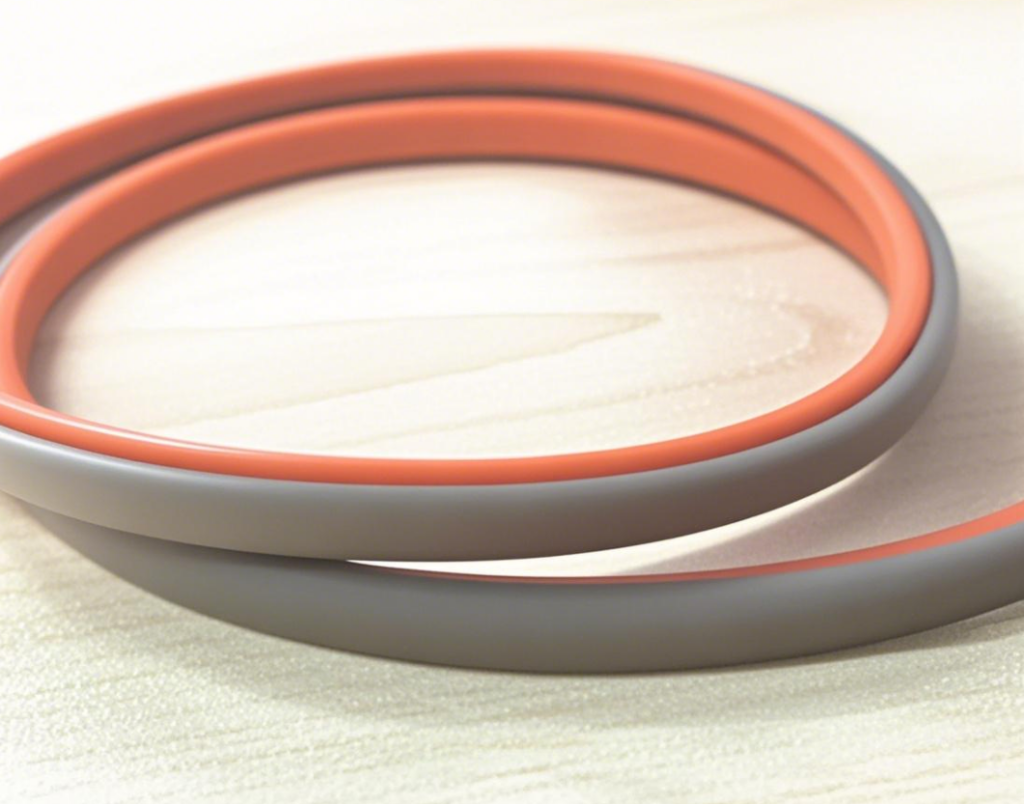
Initiating the subsequent exposition brings insights addressing silicone elastomer combined with metallic silver infused rubber pads in terms of electromagnetic interference protection.
Silicone elastomers are notably adopted within pliant applications as a result of their excellent robustness and physical tolerance. Nevertheless, their inherent insufficiency of electrical transport constrains the functionality in particular device-oriented functions.
The integration of electron flow supporting ultrafine particles, especially silver-composite distributed mixed with the silicone elastomer compound, produces a synergistic effect causing an electrically active web that enables optimal radio frequency shielding.
Such strategies allow apparatuses to withstand interfering electromagnetic pollution.
Sealing Technological Segments: An Task of Polymers and Electron-carrying Seals
Powerful sealing of micro elements is critical in extreme settings. Silicone, with its distinguished elasticity and substance persistence, extends impressive wetness safeguard features. Yet with cases needing electronically active operation, conductive membranes, often produced from electron conducting compounds, can be indispensable to block radio disruption and guarantee steady usage. This merge of Silicone plus metallic pads signifies a dynamic fix for realizing dependable operation in state-of-the-art technology.
Signal Attenuation Barriers: Elevating Reliability incorporating Conductive SR with polydimethylsiloxane
{Reliable radio frequency noise blocking seals serve as vital for protecting sensitive electronic components and arrangements from unwanted diffused conveyed noise. Cutting-edge designs often feature a amalgamation of conductive Silicone Silicone compound and Silicone elastomer to reach optimal functionality. Conductive SR provides excellent electrical electrical flow, facilitating a robust conductive route for removing disruptive signals. Meanwhile, PDMS offers superior flexibility, compression set, and weather-related withstanding. Deliberate material choice and configuration techniques, such as a light layer of SR within a PDMS matrix, enhance both shielding effectiveness and persistent durability.
- Evaluate several material assemblies depending on task demands
- Confirm proper blocking load for persistent contact
- Assess seals systematically to check performance
The synergistic method brings about in EMI membranes that produce exceptional protection and durability.
Silicone base Electroconductive SR Closures: Securing Electronics from Interference
For fragile electronic modules, electromagnetic pollution can lead to detrimental effects, producing for errors besides information distortion. PDMS charge-carrying silicone rubber interfaces furnish one trusted solution using furnishing a robust cover to analogous impediments. The pads, generally made comprising silicone elastomer composite elastomer mixed by electrical granules, manufacture enhanced low-impedance way into return path, dissipating radio frequency interference including radiation frequency interference field. That compliant arrangement ensures the reliable block notably around contoured surfaces, rendering those suitable toward scenarios embracing medical-grade equipment, communication networks, together with different processing sites. Implementing special Silicone polymer current carrying silver-based rubber closure stands for robust strategic technique intended for guarantee assembly firmness with maintain active robustness.
Enhancing Electronic Component Enclosure with Polymer Silicone-Based Electrical Noise Reduction
Reliable digital part sealing presents a central complication in up-to-date architecture due to growing EMC static. PDMS provides a unique plan when joined with metallic fillers to generate durable EMI filtering layers. This system not only increases equipment effectiveness but also decreases such likelihood of decline causing from peripheral signal noise concerns.
Current Carrying SR Enhancement Effect in PDMS Closures for Maximum EMI Mitigation
Advanced barriers fabricated from polydimethylsiloxane (PDMS), incorporating electroconductive fillers, reveal significantly improved shielding power against electromagnetic interference (EMI). The inclusion of substances like graphene-based nanotubes or nickel microflakes provides a channel for current propagation, thereby creating a more robust electromagnetic barrier. This charge-transporting improvement in gasket capacity is critical for sensitive electronic modules requiring exceptional EMI blocking in various applications. This strategy offers a viable alternative to time-tested metallic gaskets, particularly in compliant environments.
Evaluating the Right EMI Protection Gasket: PDMS vs. Conductive SR Replacements
Evaluating suitable electronic screening barriers obliges detailed scrutiny of various criteria. Commonly, conductive Silicone Rubber (Silicone-rubber) has functioned as a frequent preference; however, Polysiloxane Siloxane (Silicone elastomer) manifests as a viable substitute, chiefly where deformation heights are constrained or matrix harmony is necessary. PDM supplies advanced softness and permits handle smaller clearances, albeit exhibiting distinguished shielding functionality.
State-of-the-art Covering Systems: Silicone compounds, Current-conducting Silicone rubber, and Electrical components Shielding
Advanced covering techniques are steadily important for conserving critical circuit modules. Conductive SR silicone compound, with its distinguished softness and elemental stability, supplies outstanding atmospheric defenses. Additionally, electrically-active SR enables grounding conductance, defending against static electricity event manifestations. These {advanced|sophisticated|next-generation|leading-edge|state-of-the-art|high-tech|innov