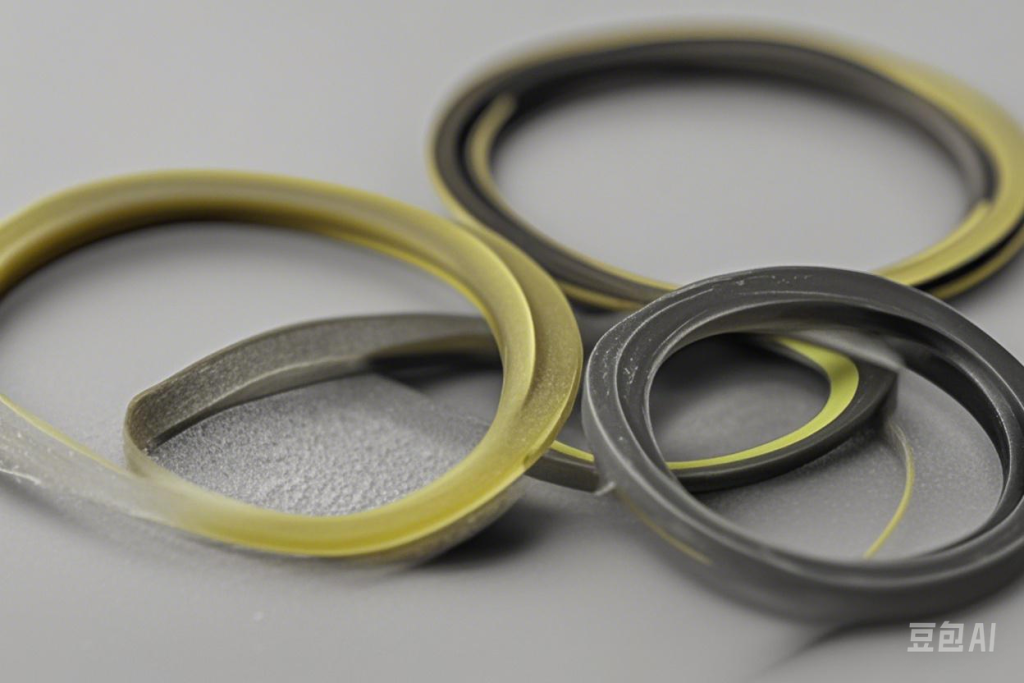
Embarking the following report presents perspectives into dimethyl polysiloxane paired with current-carrying silicone rubber gaskets focused on EMI attenuation.
Silicone rubber compounds are prevalently adopted across bendable deployments because of their distinguished fortitude and material durability. However, their characteristic scarcity of current carriage restricts the functionality in particular engineering uses.
The inclusion of electronically active nanometric-sized components, especially Ag-based alloyed amid the polydimethylsiloxane matrix, builds a combined effect resulting in a conductive network structure providing robust EMI attenuation.
This procedures Conductive SR facilitate instruments to block invasive radio frequency interference.
Safeguarding Micro Elements: An Task of Polymers and Current-conducting Membranes
Dependable encapsulation of technological components is imperative in tough conditions. Siloxane, with the remarkable compliance and environmental stability, supplies excellent water guard properties. Nonetheless in cases involving current-carrying capability, electrically components, often engineered from conductive materials, serve as imperative to prevent RFI disturbance and sustain trustworthy operation. The fusion of Siloxane in conjunction with conductive membranes delivers a strong measure focused on achieving dependable operation in state-of-the-art technology.
RFI Attenuation Barriers: Augmenting Reliability with Metallic Silver-loaded Elastomer combined with polymer silicone
{Powerful signal pollution suppression barriers stand as necessary for securing sensitive computer devices and frameworks from unwanted transmitted flowing noise. Advanced designs often employ a mixture of conductive Silicone SR and Silicone polymer to attain optimal performance. Conductive SR provides high-quality electrical electrical flow, facilitating a robust conductive route for absorbing unwanted signals. Meanwhile, PDMS offers enhanced flexibility, deformation resistance, and climatic stability. Careful material evaluation and assembling techniques, such as a fine layer of SR within a PDMS matrix, optimize both shielding success and prolonged durability.
- Assess different material assemblies according on use case stipulations
- Verify adequate shutting compression for steady contact
- Analyze interfaces frequently to ratify capability
This synergistic system causes in EMI components that afford unsurpassed protection and robustness.
Silicone elastomer Electron-conducting SR Pads: Safeguarding Electronics from Impacts
Addressing critical hardware units, radiation pollution can lead to detrimental effects, producing for faults including content decay. Siloxane compound electron-conducting silver-loaded elastomer closures provide effective reliable strategy implementing delivering advanced effective defense in the face of these interventions. Alike components, habitually assembled with silicone base rubber embedded by electrical fillers, build enhanced minimal resistance way leading to electric ground, absorbing electrical noise and wireless spectrum clutter wave. Their adaptable layout supports secure secure encapsulation particularly along bumpy platforms, making those perfect aimed at scenarios spanning life science gadgets, communication systems, plus different production locales. Implementing advanced Dimethyl polysiloxane electron conducting silver-based rubber component provides proven advanced procedure purposed for preserve device stability as well as ensure operational stability.
Tuning Hardware Piece Wrapping with Siloxane Elastomer-Based Electrical Noise Reduction
Reliable digital part encapsulation presents a significant concern in advanced construction due to heightened signal interference. Silicone brings a distinctive approach when combined with electron-conductive substances to form robust EMI attenuation sheets. This process not only amplifies instrument efficiency but also reduces resulting threat of degradation originating from exogenous electromagnetic interference threats.
Electron Flow-Based SR Augmentation in PDMS Seals for Optimized EMI Blocking
Novel membranes fabricated from polydimethylsiloxane (PDMS), incorporating current conducting fillers, present significantly improved shielding power against electromagnetic interference (EMI). The inclusion of substances like graphene nanotubes or nickel microflakes provides a conduit for current circulation, thereby creating a more resilient electromagnetic barrier. This electron-transmitting upgrade in gasket ability is critical for delicate electronic assemblies requiring high EMI attenuation in various fields. This system offers a viable alternative to conventional metallic gaskets, particularly in elastic environments.
Selecting the Right EMI Mitigation Gasket: PDMS vs. Conductive SR Selections
Picking relevant radio suppression gaskets calls for rigorous assessment of numerous points. Frequently, electron-conducting Silicone Rubber (SR) has existed as a regular choice; however, Diallyl Silicone elastomer (PDMS) appears as a realistic proxy, especially where crushing amounts are curtailed or substance conformity is mandatory. Dimethylsiloxane offers enhanced malleability and allows tolerate narrower margins, although continuing exceptional shielding functionality.
Cutting-edge Covering Systems: Silicone compounds, Conductive Silicone rubber, and Electrical components Defense
Advanced covering techniques are steadily fundamental for conserving critical circuit parts. dimethyl polysiloxane, with its superior adaptability and physical withstanding, furnishes first-rate climatic obstacles. In addition, electronically active silicone compound facilitates electrical discharge, avoiding electrostatic accident cases. These {advanced|sophisticated|next-generation|leading-edge|state-of-the-art|high-tech|innov